.svg)




Explore how tech and consulting partnerships can face quiet breakdowns. Learn to identify early signs.

October 16, 2026
Consulting relationships in technology projects usually break down at five specific points, often without obvious warning. Knowing where these fractures occur lets you act early and avoid wasted time and resources.
Technology change projects often look smooth on the surface, but the real challenges with tech and consulting partnerships tend to build up quietly, not suddenly. The breakdowns rarely happen in a single dramatic moment; instead, they develop in small, overlooked steps that can be hard to spot until the damage is already done.
A single missed expectation or a misunderstood process can start a chain reaction that puts the entire project at risk. One clear insight is that most consulting relationships don't fail because of one big mistake, but because of several small disconnects that add up over time. When these issues are left unchecked, businesses can find themselves with stalled projects, wasted investments, and strained partnerships.
Understanding how technology consulting works means recognising that both sides—client and consultant—bring their own assumptions, pressures, and ways of working. This is especially true in Canberra, where local business needs and regulations can add extra layers of complexity to any technology project.
If you know where these quiet breakdowns tend to happen, you can step in early and keep your project on track.

Even the best technology consulting projects can show signs of trouble before anything goes seriously wrong. These early signals are often subtle, like a consultant missing a small detail or a client hesitating to share feedback. When these moments are ignored, they can grow into larger problems that are much harder to fix.
One common early warning is a change in communication patterns. If updates become less frequent or more formal, it may signal that trust is slipping. Another sign is when either side starts to avoid difficult topics, hoping the other will raise them first. These small shifts can be easy to dismiss, but they often mark the beginning of a breakdown.
It's important to pay attention to these changes and address them quickly. Open conversations about expectations, timelines, and responsibilities can help prevent small issues from becoming major obstacles. By noticing these early signals, you can keep your technology consultant relationship healthy and productive.
Project scoping is where the foundation for a successful technology change is set, but it's also where misunderstandings can quietly take root. At this stage, both the client and the consultant are eager to get started, and important details can be glossed over in the rush to move forward.
A common risk is assuming that everyone shares the same understanding of the project's goals and limits. If these aren't clearly defined, the project can drift off course. For example, a consultant might expect the client to provide certain data or access, while the client assumes the consultant will handle it. These mismatched expectations can lead to frustration and delays later on.
Another hidden risk is underestimating the complexity of existing systems. If the scoping process doesn't dig deep enough into how current technology works, surprises can emerge mid-project. This is especially relevant for businesses in Canberra, where local compliance requirements might not be obvious at first glance.
To avoid these pitfalls, make sure the scoping phase includes detailed discussions about roles, deliverables, and any unique local factors. Clear documentation and regular check-ins during this stage can save time and prevent misunderstandings down the line.

Most consulting relationships don't fail all at once—they break down at specific points where attention slips or assumptions go untested. Here are the five moments in a technology change project where the risk is highest:
When both sides use the same words but mean different things, confusion builds. If the definition of success isn't agreed on, disappointment is almost certain.
If a technology consultant is brought in without a full briefing on the business's culture, history, and systems, they may make decisions that don't fit. This gap can be hard to fix later.
Switching team members or shifting responsibilities during a project can cause knowledge to be lost. If documentation isn't thorough, new people may miss critical details.
When changes to scope or timeline are agreed on verbally but not documented, misunderstandings grow. Later, each side may remember the agreement differently.
If the plan for support after go-live isn't clear, clients may feel abandoned and consultants may feel blamed for issues that arise. This can sour the relationship even if the main project was a success.
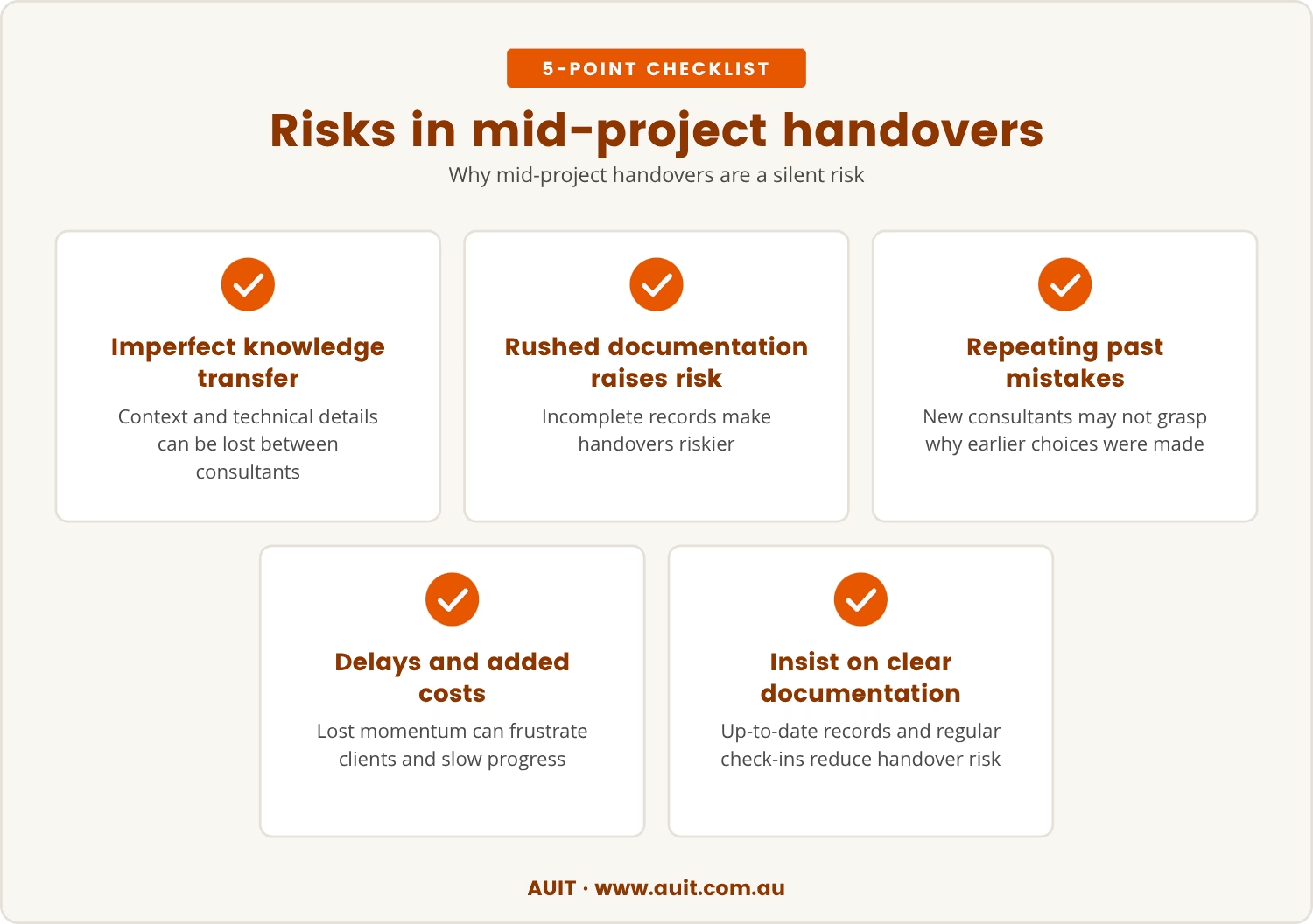
Handovers during a technology change project are often necessary, but they can quietly introduce risk if not managed carefully. When a consultant leaves or a new team member joins, the transfer of knowledge is rarely perfect. Important context, decisions, and even small technical details can be lost in the process.
This risk is higher when documentation is rushed or incomplete. A new consultant may not fully understand why certain choices were made, leading them to repeat old mistakes or undo previous work. For the client, this can mean delays, increased costs, and frustration as the project loses momentum.
To reduce this risk, insist on clear, up-to-date documentation at every stage of the project. Regular check-ins during handovers can also help ensure nothing is missed. If you have recently had a team change, how confident are you that all critical information has been passed on?
Change is a natural part of any technology project, but how those changes are managed can make or break the consulting relationship. When requests for changes are handled informally—through quick conversations or emails rather than proper documentation—details can slip through the cracks.
This often leads to confusion about what was agreed, who is responsible, and how changes will affect the timeline or budget. Over time, these misunderstandings can erode trust between the client and the consultant. Each side may feel the other isn't holding up their end of the bargain.
A simple but effective solution is to document every change request, no matter how small. This creates a clear record that both sides can refer to and helps prevent disputes later on. It also ensures that everyone stays aligned as the project evolves.
The end of a technology change project isn't the end of the relationship. In fact, the period after launch is when many consulting relationships face their toughest test. If the plan for ongoing support is vague or left to chance, problems can quickly surface.
Clients may expect quick fixes or ongoing advice, while consultants may believe their work is done. This mismatch can lead to frustration on both sides. Without a clear support agreement, even small issues can escalate and damage the trust built during the project.
To avoid this, make sure post-launch support is discussed and agreed upon before the project wraps up. Define what support includes, how requests will be handled, and who to contact for help. This clarity helps both sides feel secure and valued.
Recognising the early signs of trouble in a technology consulting relationship gives you the chance to act before problems grow. Look for changes in communication, missed deadlines, or growing uncertainty about roles and responsibilities. These are often the first hints that something is off.
Addressing these issues quickly—through honest conversations and clear documentation—can prevent a minor issue from turning into a major setback. Regular project reviews and feedback sessions help keep everyone aligned and give both sides a chance to raise concerns in a safe environment.
By staying alert to these quiet breakdowns, you can protect your investment and build stronger, more reliable partnerships with your technology consultants.

Many businesses with 20 to 100 users find that technology projects can quietly lose momentum when small issues go unnoticed. At AUIT, we understand how easily these breakdowns can happen and how frustrating they are to fix.
If you want to see how we approach project handovers, change management, or post-launch support, let's have a conversation about your current setup and what matters most to your team.
Talk with us about the early warning signs in your current project and how to address them before they become bigger problems.
Choose a partner who values clear communication, thorough documentation, and regular check-ins. Ask about their process for handling project scoping, handovers, and change requests. A reliable technology consulting partner will welcome your questions and be transparent about their approach.
Prepare a detailed briefing that covers your business's history, culture, and current systems. Share any relevant documentation and set clear expectations for communication and decision-making. This helps the consultant understand your unique context and reduces the risk of early missteps.
Always document change requests in writing, including what is changing, why, and how it will affect the timeline or budget. Make sure both sides agree to the changes before moving forward. This keeps everyone on the same page and avoids confusion later.
Post-launch support ensures that any issues or questions after go-live are addressed quickly and effectively. Without a clear support plan, small problems can escalate and damage the relationship between client and consultant. Agree on support terms before the project ends.
Watch for subtle changes like less frequent updates, missed deadlines, or uncertainty about responsibilities. If you notice these signs, raise them with your consulting firm early. Open communication is key to catching and fixing problems before they grow.
.jpg)