.svg)




Discover how an IT risk consultant can transform your risk management by connecting insights to real business stakes, enhancing your tech risk strategy.

October 9, 2026
What we keep hearing from businesses is that they often underestimate how quickly cyber threats can slip past basic security tools. Many teams believe their current systems are enough—until a real incident happens and exposes hidden gaps.
"A cybersecurity analyst is essential for finding and stopping threats before they cause damage."
Industry research shows that most organisations only discover a breach weeks after it happens, which can lead to bigger problems and higher costs. That’s why having a dedicated cybersecurity analyst is so important. This role is all about monitoring, detecting, and responding to threats, so your business stays protected. If you’re working in information technology or managing a growing team, understanding what a cybersecurity analyst does—and why their work matters—can help you make smarter decisions about your security measures.
A cybersecurity analyst keeps your business safe by identifying risks, monitoring for suspicious activity, and responding to incidents. They use tools and processes to spot unusual behaviour, investigate alerts, and stop attacks before they spread. Their work covers everything from reviewing access logs to running vulnerability scans and helping your team follow best practices.
The analyst role is hands-on and requires a strong understanding of how networks, applications, and devices connect. Analysts also help train staff on security basics, making sure everyone knows how to avoid common threats like phishing or malware. By staying up to date with the latest attack methods, they can quickly adapt their defences and reduce the risk of a serious breach.

Hiring the right cybersecurity analyst can make a big difference in your business’s safety. Here are some common mistakes to watch out for:
Some businesses focus too much on technical certifications and forget to check if candidates really understand networking and cybersecurity basics. Without these skills, analysts may miss important warning signs or fail to spot gaps in your defences.
It’s easy to be impressed by a long list of qualifications, but real-world experience matters just as much. Look for candidates who have handled actual incidents or worked with security analysts in similar industries.
A good cybersecurity analyst should know how to react quickly during a security incident. Make sure your hiring process includes practical tests or scenario-based questions to see how candidates respond under pressure.
Soft skills like communication and teamwork are just as important as technical know-how. Analysts need to explain risks clearly and work with other teams to improve security measures.
Cyber threats change all the time. Make sure your analyst is committed to continuous learning and stays up to date with the latest trends and tools.
Every business is different. Choose an analyst who understands your specific industry, compliance rules, and risk profile, so they can tailor their approach to your needs.
A cybersecurity analyst brings several important advantages to your business:
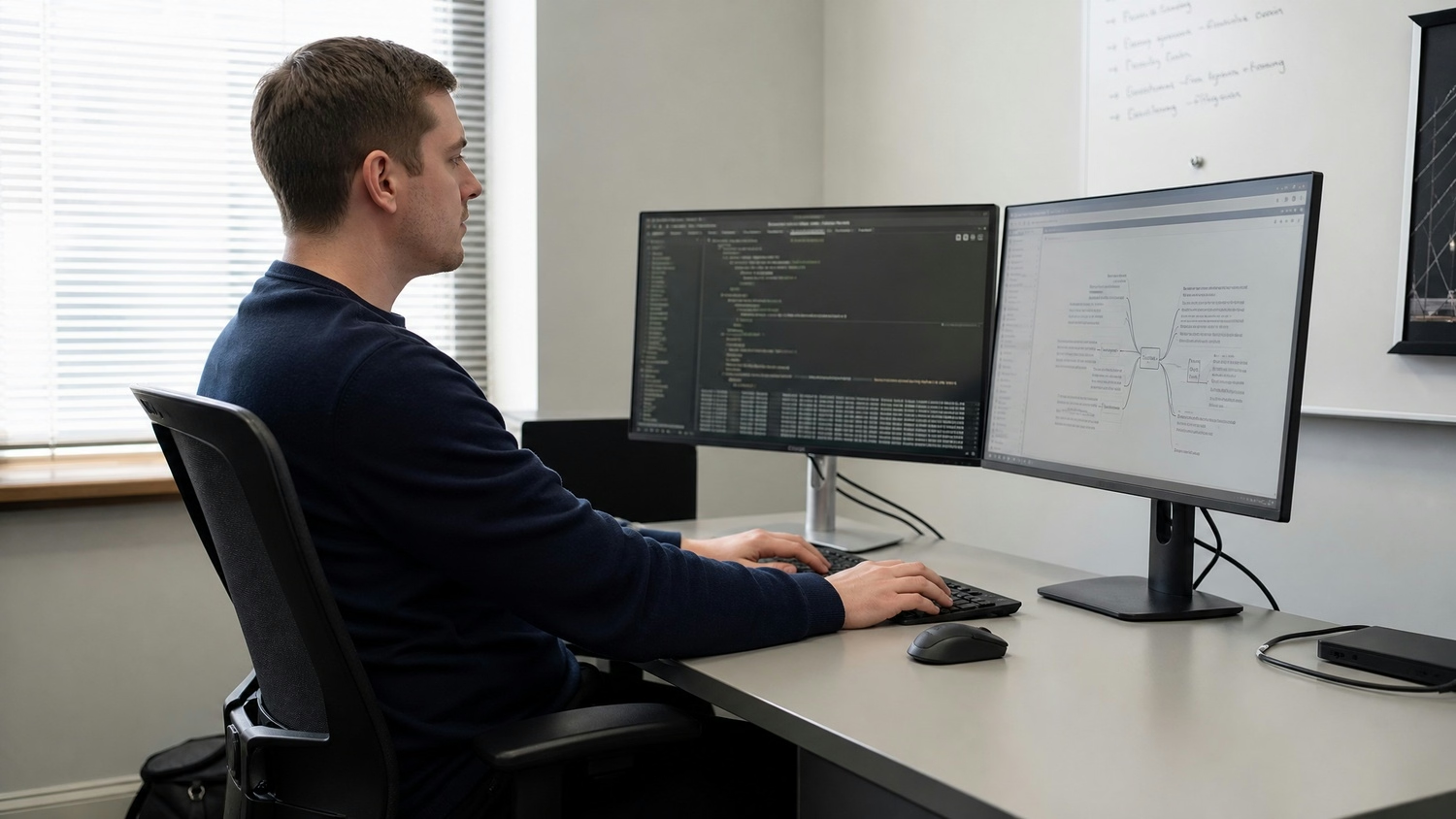
If you’re interested in a cybersecurity career, becoming a cybersecurity analyst is a strong starting point. Most analysts start with a background in information technology, then build up their knowledge of security tools and processes. Many employers look for certifications like CompTIA Security+ or experience with SIEM platforms.
The career path can lead to more advanced roles, such as a cybersecurity engineer or manager. Along the way, you’ll gain hands-on experience with incident response, risk assessment, and security policy development. The demand for skilled analysts is growing, so there are plenty of opportunities to move up or specialise in areas like cloud security or threat intelligence.
Starting and growing your cybersecurity career involves a few key steps. Here’s how you can set yourself up for success:
Understanding how networks, systems, and applications work is essential. Start by learning the basics of IT, including networking, operating systems, and databases.
Look for internships, entry-level analyst roles, or volunteer opportunities where you can practice real-world security tasks. Experience with malware analysis or SIEM tools is especially valuable.
Certifications like CompTIA Security+, CISSP, or Certified Ethical Hacker show employers you have the right skills. They also help you stay current with industry standards.
Knowing how to react during a security incident is critical. Practice responding to simulated attacks and learn how to investigate and contain threats.
Follow industry news, attend webinars, and join professional groups to keep up with the latest attack methods and security trends.
Communication, teamwork, and problem-solving are all important for analysts. You’ll need to explain risks clearly and work with different teams to improve security.
Think about where you want to go next—whether it’s becoming a cybersecurity engineer, moving into management, or specialising in a niche area. Set goals and look for opportunities to grow.

When you’re ready to hire a cybersecurity analyst, start by defining what you need. Consider your business size, industry, and the types of data you handle. Look for candidates who can explain complex topics in simple terms and who have experience with your systems or compliance requirements.
It’s also important to set clear expectations. Decide whether you need someone focused on day-to-day monitoring, incident response, or long-term strategy. Make sure your analyst has access to the right tools and support from leadership. Regular check-ins and training can help keep your security program on track and adapt to new threats.
To get the most from your cybersecurity analyst, follow these best practices:
A strong partnership with your analyst helps keep your business safe and ready for new challenges.

Are you a business with 20 or more employees looking for expert help with cybersecurity? Growing businesses often face new risks as they expand, and it’s easy to overlook the need for dedicated security analysts until a problem arises.
Our team at AUIT understands the challenges you face. We specialise in helping organisations like yours find, train, and support skilled cybersecurity analysts. If you want reliable systems, clear advice, and ongoing support, contact us today to see how we can help protect your business.
Analysts in cybersecurity need strong technical skills, including knowledge of information security and how to spot cyber threats. They should also understand how to use SIEM tools to monitor networks and respond to incidents quickly.
Soft skills matter too. Good communication helps analysts explain risks to non-technical staff, while attention to detail ensures nothing is missed during incident response. Staying updated on new threats is also key.
A cybersecurity analyst uses a mix of monitoring, investigation, and prevention to keep your systems safe. They review logs, analyse suspicious activity, and respond to incidents to stop attacks before they cause harm.
They also help set up security measures like firewalls and antivirus tools. By training staff and running regular security checks, analysts reduce the risk of malware and other threats slipping through.
A cybersecurity analyst focuses on monitoring, detecting, and responding to threats, while a cybersecurity engineer designs and builds secure systems. Analysts often work on day-to-day protection, while engineers plan and implement long-term solutions.
Both roles are important. Analysts keep your business safe from immediate risks, and engineers make sure your systems are built to resist future attacks. Working together, they cover all angles of information technology security.
Start by learning the basics of networking and cybersecurity, then look for entry-level analyst roles or internships. Certifications like CompTIA Security+ can help you stand out.
Practice using common security tools and get involved in online training or community projects. Building hands-on experience is key to landing your first analyst job.
Most security analysts begin in entry-level roles, then move up to more advanced positions like senior analyst or cybersecurity engineer. Along the way, they gain experience with incident response, risk assessment, and security policy development.
With more experience, analysts can specialise in areas like threat intelligence or management. Job growth in this field is strong, offering many opportunities for advancement.
Cyber threats are always changing, so ongoing training helps analysts stay prepared. Regular learning ensures they know about the latest attack methods and security measures.
Training also helps analysts use new tools and adapt to changes in information security standards. This keeps your business protected and ready for future challenges.
.jpg)