.svg)




Discover how an IT risk consultant can transform your risk management by connecting insights to real business stakes, enhancing your tech risk strategy.

October 9, 2026
Outsourcing IT services is a practical way for businesses to stay competitive and manage costs. By working with a service provider, you can focus on your core business while experts handle your technology needs. In this blog, you'll learn about the benefits of IT outsourcing, key advantages, common types, and how to get the most value from outsourcing companies. We'll also cover best practices, potential challenges, and how to choose the right outsourcing provider for your needs.
IT outsourcing offers several advantages for businesses wanting to improve efficiency and reduce expenses. When you outsource, you hand over specific IT tasks or projects to external experts. This approach lets you tap into a wider talent pool and access skills that might be hard to find in-house. For many, this means faster project delivery and fewer headaches managing complex technology.
Another key benefit is cost savings. Outsourcing can help you avoid the high costs of hiring full-time staff and investing in expensive equipment. Instead, you pay only for the services you need, when you need them. This flexibility is especially useful for growing businesses that want to stay agile and focus on their main goals without being slowed down by IT issues.

Outsourcing IT work can be a smart move, but there are pitfalls to watch out for. Here are some common mistakes and how to avoid them:
Without clear goals, your outsourcing project can lose direction. Make sure you know exactly what you want to achieve and communicate this to your outsourcing partner. This helps set expectations and keeps everyone focused.
Going for the lowest price can backfire if the quality of service suffers. Look for a provider with a strong track record, not just a low quote. Quality matters more than saving a few dollars upfront.
If you choose offshore outsourcing, be aware of time zone and cultural differences. These can affect communication and project timelines. Plan regular check-ins and set clear communication rules to avoid misunderstandings.
IT outsourcing involves sharing sensitive data. Make sure your provider follows strict security and compliance standards. Ask about their data protection policies before you sign any agreement.
Outsourcing is not a set-and-forget solution. Stay involved, provide feedback, and monitor progress. Good communication helps prevent problems and ensures you get the results you want.
Unexpected events can disrupt IT services. Make sure your outsourcing partner has a disaster recovery plan in place. This protects your business from downtime and data loss.
Outsourcing IT services offers several important advantages:
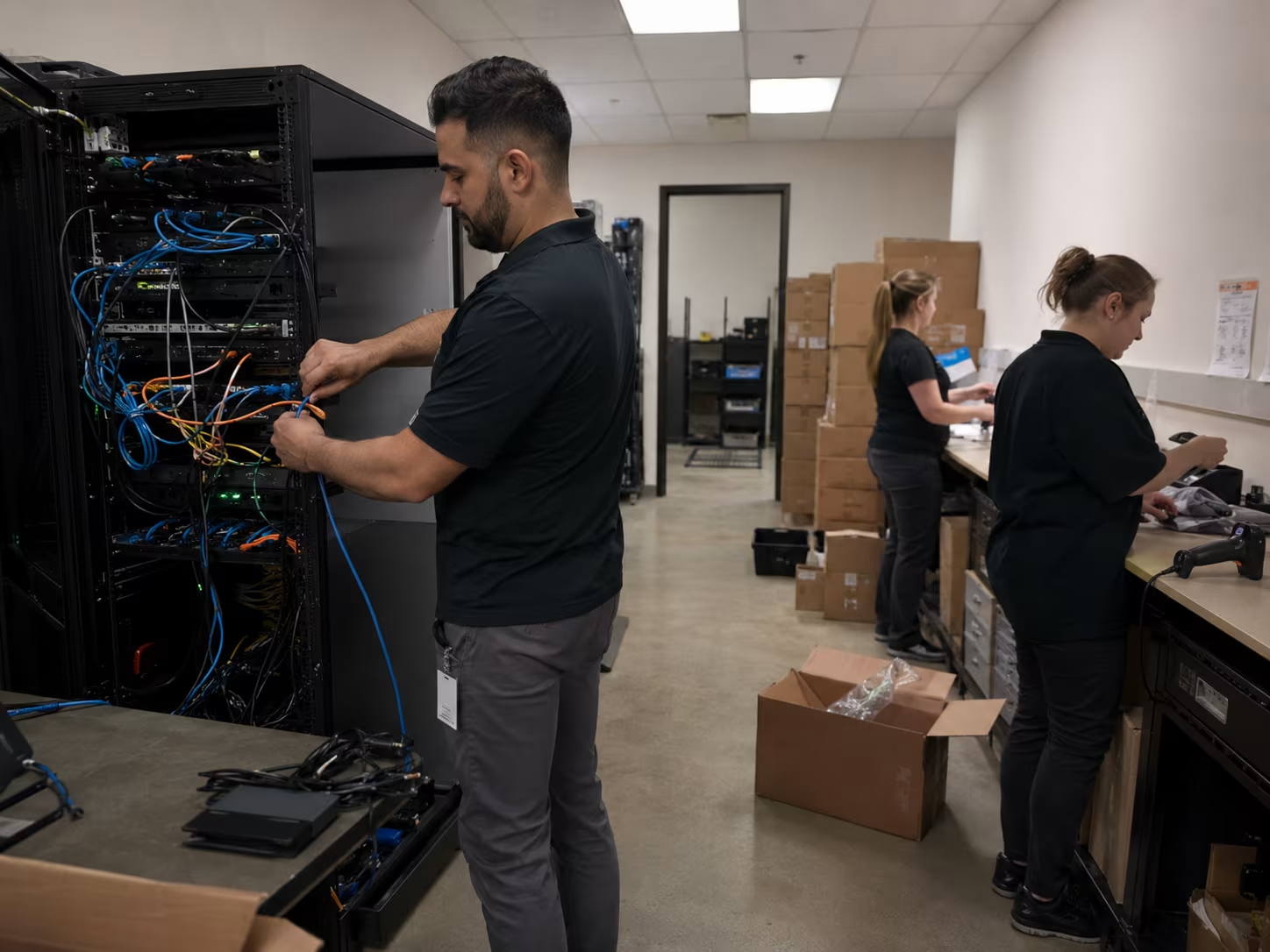
Managed service providers play a big role in delivering the benefits of IT outsourcing. They handle day-to-day IT tasks, monitor systems, and respond quickly to issues. This proactive support helps prevent problems before they affect your business.
By working with a managed service provider, you can also gain access to the latest technology and best practices. These providers stay up to date with industry trends, so you don't have to worry about falling behind. They can also help you plan for growth, manage risks, and ensure your IT systems are secure and reliable.
There are several ways to outsource IT services. Each model has its own benefits and is suited to different needs. Here are some common types and what you should know about them:
This model is ideal for one-off projects like software development or website upgrades. You hire an outsourcing company to complete a specific task, then the relationship ends when the project is done.
With this approach, you get a team of IT professionals who work exclusively on your projects. It's a good option if you need ongoing support or have multiple projects in the pipeline.
Offshore outsourcing means working with providers in other countries. This can offer cost savings and access to a larger talent pool, but you need to manage time zone and communication challenges.
Nearshore outsourcing involves working with companies in nearby countries. This can make communication easier and reduce time zone issues, while still offering some cost benefits.
Onshore outsourcing means partnering with providers in your own country. This often makes collaboration smoother and ensures compliance with local regulations.
Managed IT services cover ongoing support, monitoring, and maintenance. This is a good choice if you want to outsource day-to-day IT management and focus on your core business.
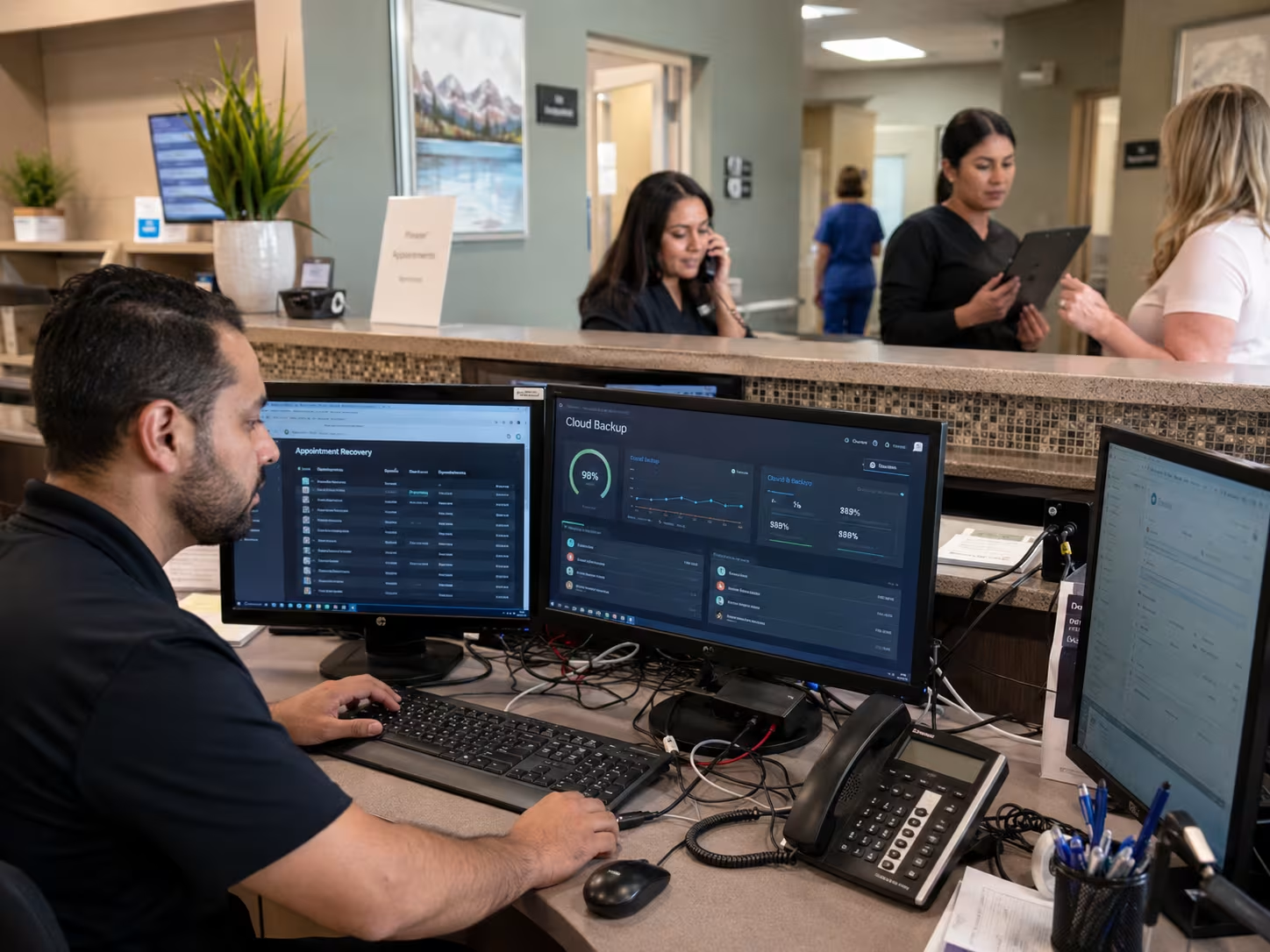
Getting the most from IT outsourcing takes planning and communication. Start by identifying which tasks or projects make sense to outsource. Look for areas where external providers can add the most value, such as specialised skills or round-the-clock support.
Next, research potential outsourcing partners. Check their experience, client reviews, and service level agreements. Make sure they understand your business goals and can deliver the results you need. Set up regular meetings to track progress and address any issues quickly.
Building a strong relationship with your outsourcing provider is key to success. Here are some best practices to follow:
Following these steps can help you get the most from your outsourcing partnership.

Are you a business with 20 or more employees looking to improve your IT systems and productivity? If you're growing and want to focus on your core business, outsourcing IT services can help you stay ahead without the hassle of managing everything in-house.
We understand the challenges businesses face when it comes to technology. Our team at AUIT offers reliable managed IT services, tailored to your needs. Contact us to find out how we can help you unlock the full benefits of IT outsourcing and support your business growth.
Outsourcing IT services lets you gain access to a wider talent pool and skilled professionals. This approach can also help businesses reduce costs by avoiding the need for full-time hires and expensive infrastructure. By working with external providers, you can focus on your core business and improve overall productivity.
Start by looking for a service provider with experience in your industry and a strong reputation. Check their service level agreements and ask about their disaster recovery plans. It's important to find a partner who understands your goals and can deliver reliable support.
Outsourcing offers cost savings and flexibility, while in-house IT may require more resources and ongoing training. With outsourcing, you can focus on your core business and use third-party expertise for specialised tasks. This helps you stay agile and competitive.
Offshore outsourcing can introduce time zone and cultural differences, which may impact communication. To manage this, set clear expectations and use regular check-ins. Many outsourcing companies have processes in place to ensure smooth collaboration and timely delivery.
Best practices include setting clear goals, maintaining open communication, and monitoring performance. It's also important to address issues quickly and review agreements regularly. Building trust with your outsourcing provider leads to better results and long-term success.
Some disadvantages of outsourcing include potential loss of control and data security concerns. To minimise risks, choose a reputable outsourcing provider and set clear guidelines. Regularly review their performance and ensure they follow best practices for security and compliance.
.jpg)